Why are butterflies declining all over the U.S.?
Part 1 of a 3-part series about recent studies that explore the reasons behind losing 20% of butterflies over the last 20 years.
Hi everyone!
I wanted to start off my newsletter with a series of stories I wrote about the drastic decline of butterflies in the U.S. over the past 20 years, with one out of every five butterflies lost.
The reasons are complicated and difficult to parse apart, but the top suspected causes are habitat loss, pesticides and climate change. And it appears that the top cause is different depending on the region - so, for example, in the Midwest, which has a lot of agriculture, pesticides are emerging as the primary cause.
These are fairly long, so I’ll post them in successive parts a day or so apart, so stay tuned for the next posting!
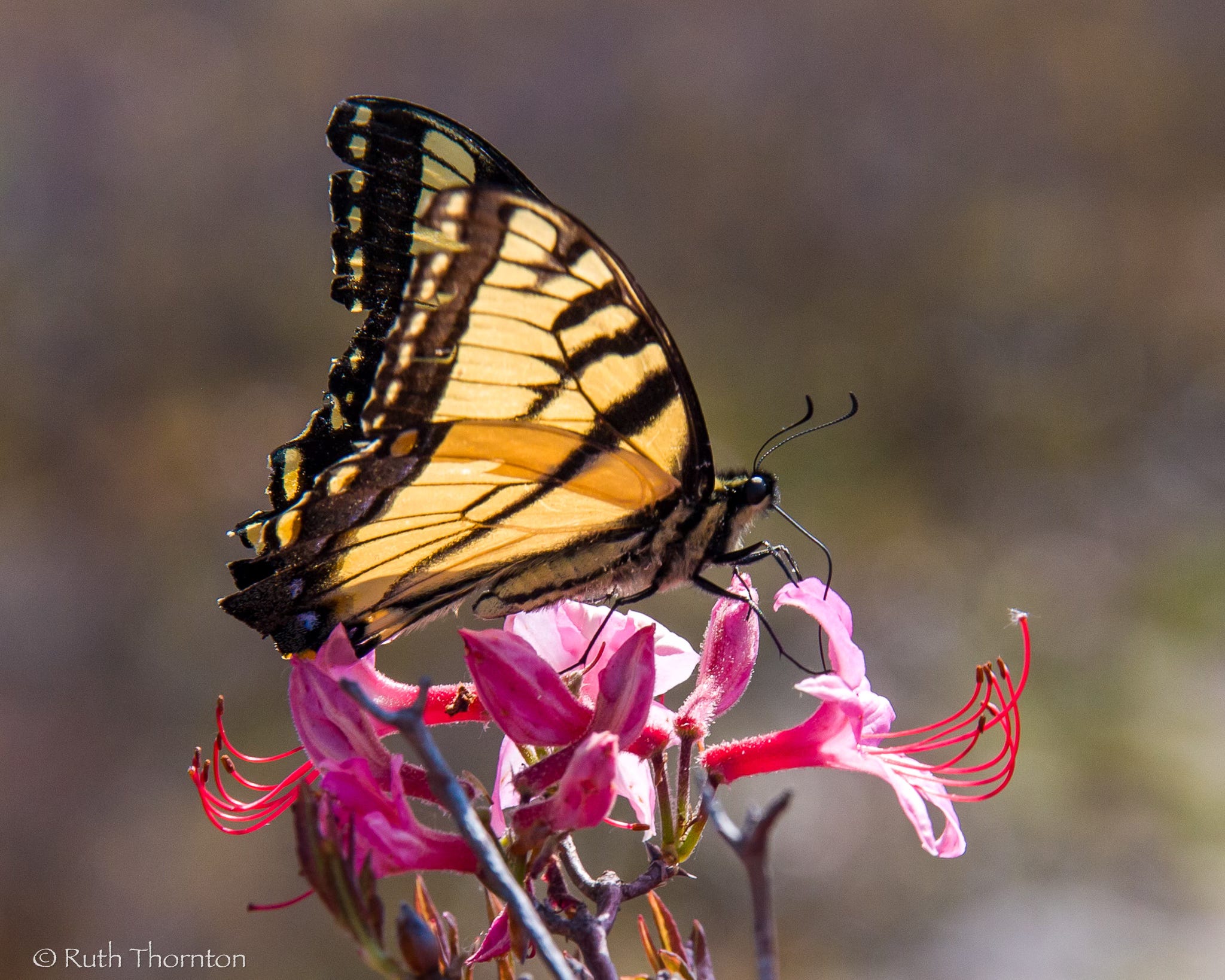
Butterflies in crisis: researchers sound alarm over steep nationwide declines
Butterflies are among the most beloved insects, with children and adults delighting in the insects’ colorful and intricate patterns as they flutter from flower to flower.
But butterfly numbers are decreasing and researchers are racing against time to find out why so many are dying.
Their disappearance could have wide-ranging implications. Butterflies are important pollinators of some crops, including cotton, and an important food source for many animals.
They are also sensitive to environmental conditions and are often considered the “canary in the coal mine” by experts. Losing them could indicate toxins in the environment that are harmful to humans and other wildlife.
A series of recent studies is starting to shed light on the mystery, and the results are alarming.
Nationwide butterfly declines
“Things are not looking good for butterflies,” said Collin Edwards, a quantitative ecologist with the Washington Department of Fish and Wildlife.
Edwards is the lead author of a recent study in the journal Science that found a loss of nearly a quarter of butterflies in the U.S. in the past 20 years.
More than 20 scientists contributed to the paper from several universities and research stations, including Michigan State University, Washington State University, University of Nevada, University of California – Davis, the Xerces Society for Invertebrate Conservation, North America Butterfly Association, U.S. Geological Survey and U.S. Fish and Wildlife Service.

“There’s been this ongoing conversation in and out of the scientific literature about declines of insects, and there’s been a lot of concern about it,” Edwards said.
But many studies on insects have been criticized for lack of data or focusing only on small areas.
“The goal with this project was to put all that to rest,” he said.
The study compiled all known scientific surveys of butterflies, ending up with records of 12.6 million butterflies from more than 76,000 surveys across the U.S. between 2000 and 2020.
Butterflies are better studied than most other insects, with thousands of survey projects by biologists and citizen scientists over decades contributing to a vast store of knowledge about the insect group.
“What it comes down to is how much normal people care about butterflies,” Edwards said. “People really enjoy counting them. They’re charismatic, and they’re easy to spot and identify.”
That made butterflies a prime candidate for a comprehensive, nationwide study on insects.
“We don’t have that (data) for ants or for beetles,” he said.
The researchers examined the total number of butterflies observed for more than 550 recorded species. They also looked at species-level trends for a subset of around 340 species.
The results were sobering – the number of butterflies across all species declined by 22%. That translates to an annual decline of 1.3%.
When analyzing how individual species fared, the researchers found that 33% of species decreased, and only 3% of species increased in abundance.
“There were about 13 times more species that were declining than increasing,” Edwards said.

Many species decreased drastically – more than 100 species declined by more than 50%, and 22 species declined by more than 90%, including Mitchell’s satyrs, painted crescents and mottled duskywings.
Edwards said he was surprised by how consistent the results were. “I was not expecting the story to be as clean and extreme.”
“No matter what part of the country you looked in, what type of butterfly you were looking at, didn’t matter. Declines were overwhelming,” he said.
The magnitude of the declines varied by location, however. When the scientists divided the U.S. into seven regions, the Pacific Northwest was the only region where butterflies did not decline, instead showing a slight increase in numbers at 10% over the 20 years.
“But the Southwest had declines of almost 40%,” Edwards said. “Butterflies seem to be doing the worst where it’s the driest and warming the fastest,” he said.
“Our best guess is that the primary causes of these declines are habitat loss, climate change and pesticide use,” Edwards said.
“The Southwest is probably driven more by climate,” he said.
Butterflies in the Midwest declined by 17%. Edwards said another study had found that pesticide use was the biggest driver there. “That’s potentially going to be less relevant in regions where there’s less agriculture.”
Edwards said butterflies are a critical part of the food web since they are an important food source for birds and many other animals.
They’re also important pollinators. “There are agricultural crops that are really dependent on butterfly pollinators,” he said.
For example, he said, another study had found that butterfly pollinators were responsible for millions of dollars’ worth of cotton pollination in Texas.
Besides being an important part of nature, Edwards also stressed the aesthetic aspect. “I feel that’s something that everyone values differently, but they’re beautiful and symbolic and important, and people care about them.”
Thanks for making it to the end of this post!
Next up: Exploring why butterflies are declining in the Midwest.
Not ready to subscribe? Consider buying me a cup of coffee (or a beer…). Any support helps!


