
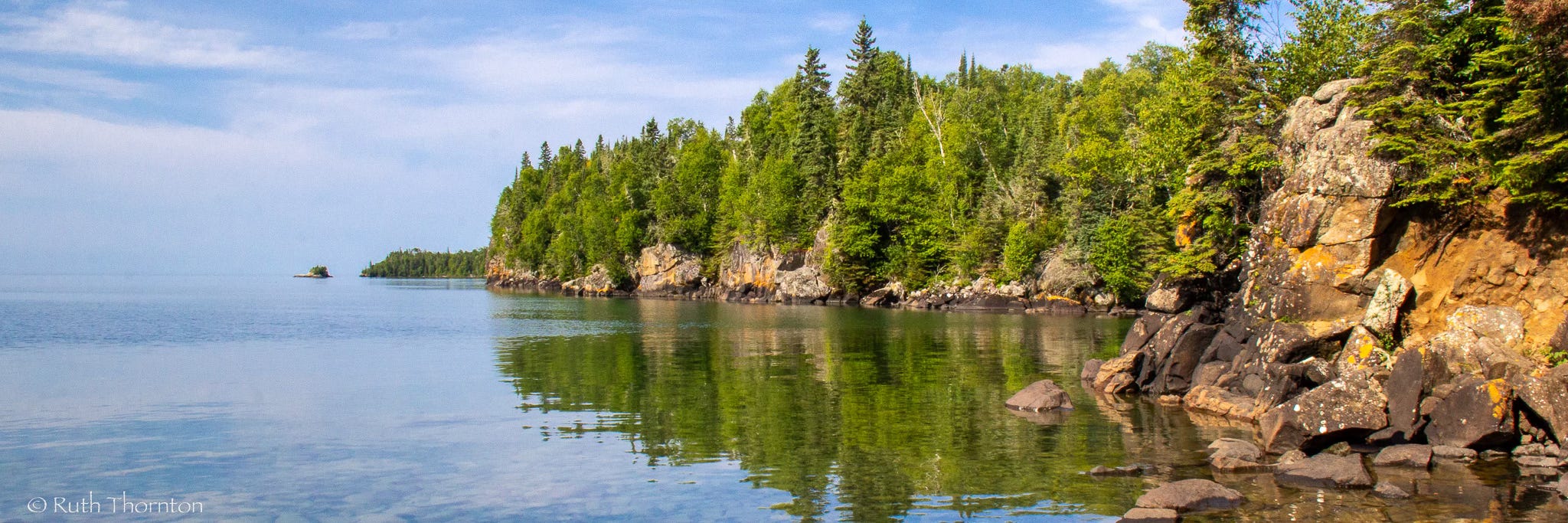
Welcome!
You’ll find stories here about the natural world and our place in it. I most enjoy writing about biodiversity - the amazing variety of life on earth, from animals to plants to habitats and ecosystems.
My hope is to create a sense of joy and wonder about all the surprising and exciting discoveries about nature and explain how we are influencing it and vice versa: how important a healthy environment is to our own well-being.
We affect nature in many ways. I try to balance the bad with the good and write about solutions. We need to celebrate conservation successes and replicate them instead of focusing only on what’s going wrong.
There are many things, large and small, every person can do to support biodiversity and the environment, and I write about strategies we can implement in our daily lives to make a difference.
What you can expect:
Every Saturday, I’ll alternate between:
A post about a biodiversity or conservation topic, often based on a recent study, together with the larger context and solutions, and
A summary of recent news stories about biodiversity, pollution, climate change or sustainable agriculture, with links to more information for folks who want to dive in deeper.
If you have any ideas about what you’d like me to cover, please let me know! I’d love to hear from you what resonates and what you’d like to see more of (or, for that matter, less).
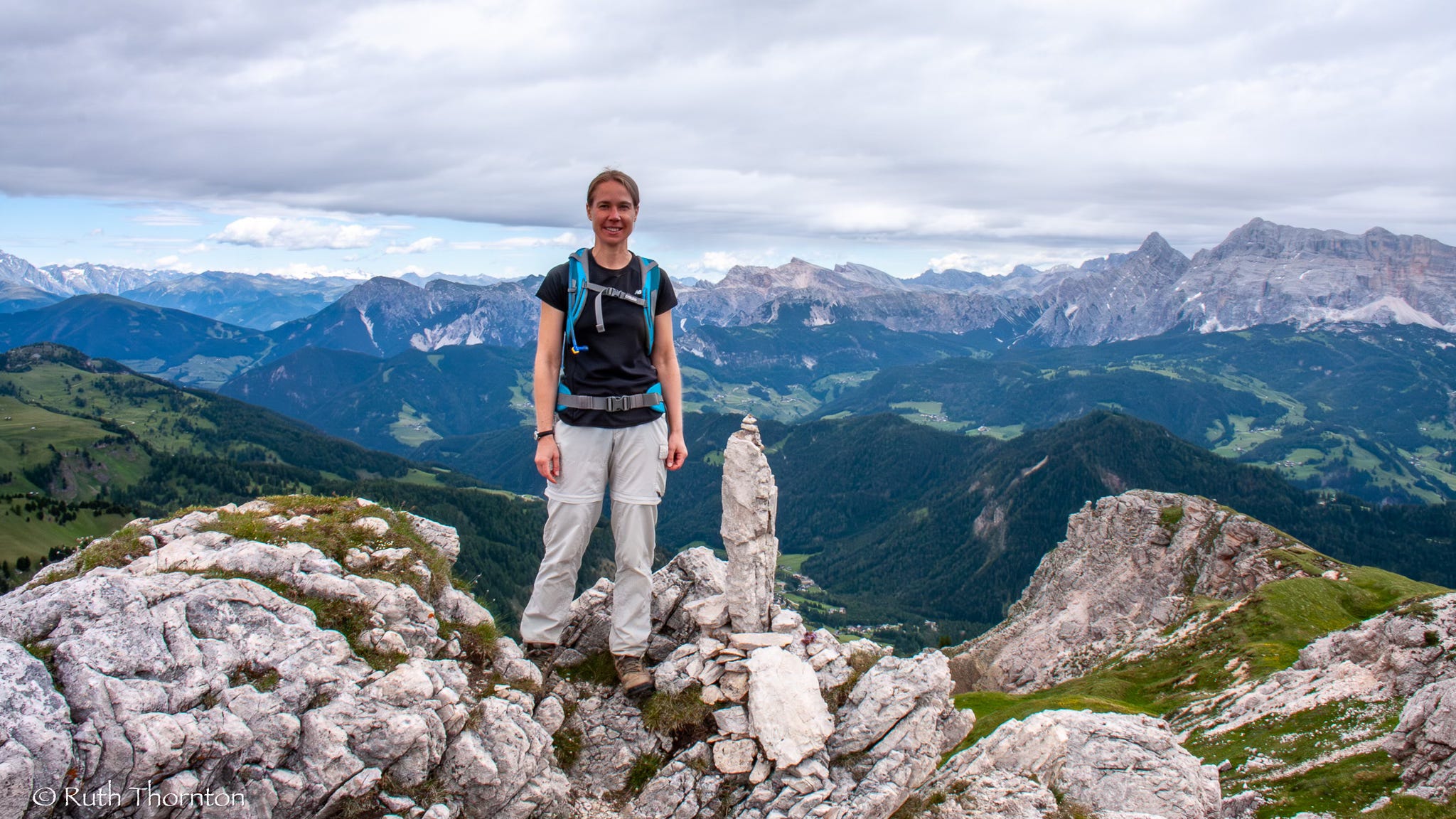
About Me
I’m Ruth Thornton, an environmental and science reporter and biologist. I have a M.S. degree in fisheries and wildlife and a M.A. degree in journalism.
Before switching to writing about nature, I worked for more than twenty years in the environmental field, where I did everything from managing natural areas, battling invasives, rejuvenating prairies through burning, assessing areas to prioritize conservation actions, working with non-game animals and buying land for conservation. It was a lot of fun!
Why I switched to science writing and started Nature Signals
I also often worked with the general public, and it struck me just how disconnected many people are from nature. There’s also a lot of confusion about the environment and how science applies to our lives, which feeds into the misinformation that abounds when it comes to climate change and the biodiversity crisis.
I find that very concerning – if people don’t understand how connected and intricate the web of life is or that humans depend on nature, people won’t value it or understand the cascading effects not only on wildlife, but also human health, agriculture, infrastructure, and the list goes on.
So I changed my career to write about the environment and our place in it. I strongly believe that nature is more resilient than we give it credit for, and with enough work we can make a difference and improve things. It’s not hopeless.
But we need to understand the threats and what the solutions are – in a way that is based on science and facts, not wishful thinking or partisan bickering.
Where to start
All new posts are free for everyone to read, but most posts older than two months are available for paid subscribers only.
Here are some examples of my posts:


If you’re interested in how environmental chemicals affect human health, check out these stories:


Every other week I send out a curated list of biodiversity news story summaries:

If you’d rather listen to your news:
I also occasionally record my stories so folks who don’t have time to read everything they’d like can still stay informed. Here are some recent examples.
If this is something you’re interested in, please let me know. Right now I record them as I have time, but let me know if it’s something you’d find useful!

Why subscribe?
Subscribe to get full access to the newsletter and publication archives.
Writing this newsletter can’t happen without financial support from readers. It takes many hours to research and write each post. Please consider a monthly or annual contribution to support my work.
While all new posts are free for everyone, those older than two months are available for paid subscribers only.
If you’re not ready to commit to a subscription, consider “buying me a coffee” (or a beer…). Any support is greatly appreciated!
Stay up-to-date
Never miss an update—every new post is sent directly to your email inbox when you subscribe (if you’re set up to receive emails from Substack, I believe). For a spam-free, ad-free reading experience, plus audio and community features, get the Substack app.
Join the crew
Be part of a community of people who share your interests. Participate in the comments section, or support this work with a subscription.
To learn more about the tech platform that powers this publication, visit Substack.com.
